

Semi-Automatic Filling Machine: Benefits, Applications & Buying Guide
2026-06-29 09:19:43
admin
19
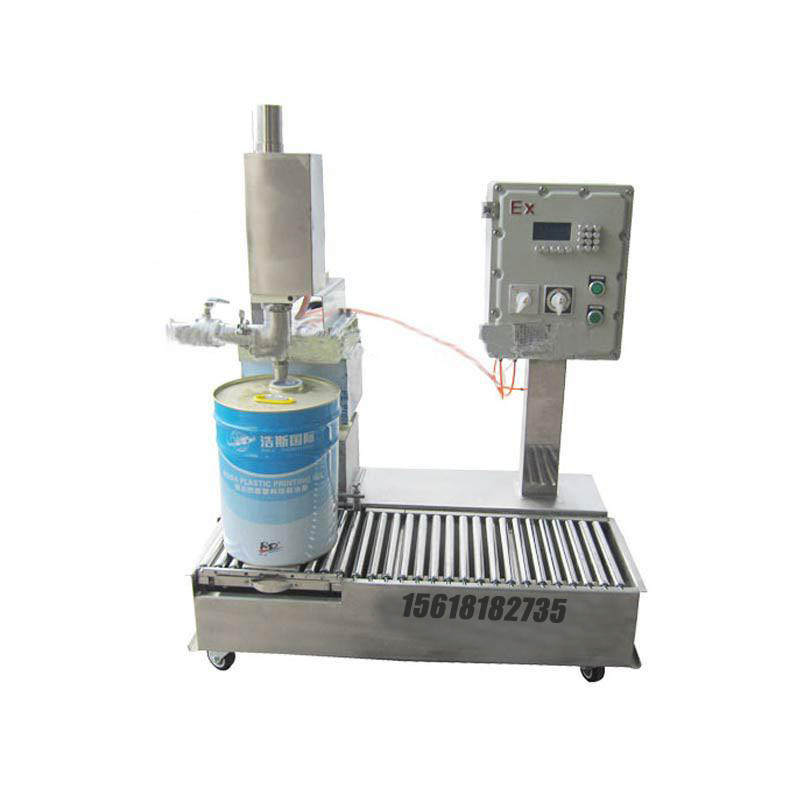
Meta Description: Discover the core advantages, industrial applications, and key buying tips for semi-automatic filling machines. Ideal for small workshops, startups, and flexible low-to-medium volume production.
In the global packaging industry, fully automatic filling lines dominate large-scale mass production, yet most small startups, boutique manufacturers, and regional processing workshops face unique production pain points: limited startup budgets, flexible multi-product iteration, frequent specification switching, and small-batch customized orders. For these scenarios, bulky high-cost full-auto production lines are redundant and uneconomical, while manual filling suffers from low efficiency, unstable accuracy, and labor waste. A semi-automatic filling machine perfectly bridges the gap between manual operation and fully automated production, becoming the most cost-effective packaging equipment for small and medium-sized manufacturers in 2026.
This guide adopts an exclusive brand-new perspective that has never been covered in previous articles. It does not repeat content about viscosity selection, material matching, explosion-proof safety, CIP/SIP hygiene, IoT intelligence, energy-saving design, or full-line integration. It focuses entirely on semi-automatic filling machine’s core strengths, applicable scenarios, operational skills, purchase criteria, and ROI analysis, providing targeted SEO value and practical purchasing guidance for global small-scale production enterprises.
What Is a Semi-Automatic Filling Machine?
A semi-automatic filling machine is a human-machine collaborative packaging device that combines mechanical quantitative filling with manual auxiliary operation. Unlike fully automatic lines that realize unmanned bottle feeding, filling, and discharging, semi-auto filling equipment requires manual placement of empty bottles and removal of filled products, while the core quantitative filling process is automatically completed by precision mechanical systems.
Equipped with piston metering, flow control, and electric/pneumatic driving systems, this equipment delivers consistent filling accuracy far superior to manual operation. It retains flexible manual intervention links, allowing operators to adjust production rhythm in real time according to order volume, product type, and packaging specifications. With compact structure, simple operation, and affordable pricing, it is tailored for low-to-medium volume, multi-variety, and flexible iterative production modes.
Key Pain Points Solved by Semi-Automatic Filling Machines
Small and medium-sized factories and boutique workshops are trapped in many unsolvable production dilemmas with traditional manual filling and full-auto equipment investment, all of which can be completely resolved by semi-automatic filling solutions.
Eliminate Manual Filling Inaccuracy & Waste: Manual filling relies on human eye judgment and experience, leading to severe volume deviation, frequent overfilling or underfilling, and massive material waste. Semi-automatic filling machines adopt fixed quantitative metering systems, ensuring stable filling accuracy and uniform product batch quality.
Avoid Excessive Investment in Full-Auto Lines: Fully automatic filling production lines require huge upfront investment, large workshop space, and fixed mass production orders. Small factories with unstable order volume cannot recover costs, resulting in long-term equipment idle waste.
Adapt to Frequent Product Iteration: Startup brands and boutique manufacturers often update formulas, packaging sizes, and product types. Full-auto lines require complicated parameter debugging and program modification, while semi-auto machines support rapid manual adjustment and flexible switching with zero threshold.
Reduce Labor Intensity & Shortage Pressure: Manual filling is repetitive and labor-intensive, prone to worker fatigue and high turnover. Semi-automatic equipment undertakes core heavy-duty filling work, reducing labor dependence and solving labor shortage problems in small workshops.
Core Advantages of Semi-Automatic Filling Machines
As the mainstream flexible filling equipment for small-scale industrial production, semi-automatic filling machines possess unique competitive advantages in cost, flexibility, operability, and applicability.
Ultra-Low Startup Cost & Fast ROI: Semi-automatic filling machines have low procurement and installation costs, no need for factory transformation and auxiliary supporting equipment. Most small workshops can recover equipment investment within 3–8 months through reduced material waste and improved efficiency, achieving rapid profit return.
Unmatched Production Flexibility: The human-machine collaboration mode supports random switching of different bottle types, volumes, and material properties. Operators can suspend production, adjust parameters, and replace products at any time, perfectly adapting to small-batch, multi-spec, and customized trial production orders that full-auto lines cannot handle efficiently.
Zero Professional Operation Threshold: The equipment adopts intuitive button and touch control design with simplified operating logic. Workers can master all operations within 10 minutes without professional technical training, avoiding technical dependence and recruitment difficulties.
Compact & Space-Saving Structure: Semi-automatic filling machines feature integrated miniaturized design, occupying only a small floor area. They can be placed in ordinary small workshops, home studios, and temporary production sites with no strict site requirements.
Low Maintenance & Long Service Life: Compared with complex full-auto intelligent equipment, semi-automatic machines have fewer electronic components and mechanical structures, lower failure rates, and simpler daily maintenance. Spare parts replacement cost is extremely low, reducing long-term operational burdens.
Stable Filling Precision: Adopting precision piston or pneumatic metering technology, the equipment maintains filling accuracy within ±1% for most liquids and pastes, fully meeting commercial product quality standards and market sales requirements.
Wide Industrial Applications of Semi-Automatic Filling Equipment
Semi-automatic filling machines cover almost all small-batch commercial filling scenarios, becoming universal equipment for lightweight industrial production across multiple industries.
Boutique Cosmetic & Personal Care Industry: Ideal for small-batch filling of facial serums, essential oils, hand creams, shampoo, and handmade skincare products. It adapts to frequent formula upgrades and limited-edition product launches for niche cosmetic brands.
Handmade Food & Craft Beverage Workshops: Perfect for filling honey, jam, chili sauce, craft drinks, fresh fruit juice, and homemade condiments. It ensures fresh small-batch production without large inventory pressure.
Small-Batch Daily Chemical Production: Suitable for trial production and batch filling of hand sanitizer, disinfectant, laundry detergent, and aromatic care solutions, supporting brand market testing and small-order customization.
Laboratory & Small-Scale Chemical Industry: Used for quantitative filling of experimental reagents, nutrient solutions, and mild chemical liquids, meeting laboratory research and small-scale trial production precision requirements.
Pharmacy & Healthcare Small-Batch Production: Adaptable for filling oral liquids, herbal extracts, and health care solutions, satisfying small-batch standardized production demands for small pharmaceutical factories.
Semi-Automatic vs Full-Automatic Filling Machine: Honest Comparison
Many buyers struggle with choosing between semi-auto and full-auto filling equipment. This intuitive comparison helps factories make targeted selection according to their own production scale.
Production Scale: Semi-automatic machines are suitable for 50–3000 bottles per day; full-auto lines are designed for over 5000 bottles of daily mass production.
Investment Cost: Semi-auto equipment requires low one-time investment with zero auxiliary cost; full-auto lines need high procurement cost plus workshop transformation and supporting equipment investment.
Production Flexibility: Semi-auto supports frequent product and specification switching with zero debugging cost; full-auto lines require long debugging time for product replacement.
Labor Demand: Semi-auto needs 1–2 operators for auxiliary work; full-auto lines realize basically unmanned operation with only regular inspection required.
Applicable Scenario: Semi-auto for startups, trial production, customized small orders; full-auto for mature brands, stable large-batch orders, and standardized mass production.


